


Translated a high-fidelity Photoshop concept into a responsive Webflow experience and then into a maintainable WordPress and PHP implementation.
The challenge
Lorandus needed a more contemporary digital presence for its meetings and communications business.
The original creative direction began as a high-fidelity Photoshop concept. It looked strong as a static composition, but responsive behaviour, interaction, content management, and production implementation still needed to be resolved.
My role was to bridge that gap.

Turning a composition into a system
I translated the static concept into responsive layouts and defined how imagery, typography, navigation, and branded visual elements should behave across real devices.
The goal was to preserve the sophistication of the concept without treating every screen size as a scaled version of the desktop layout.

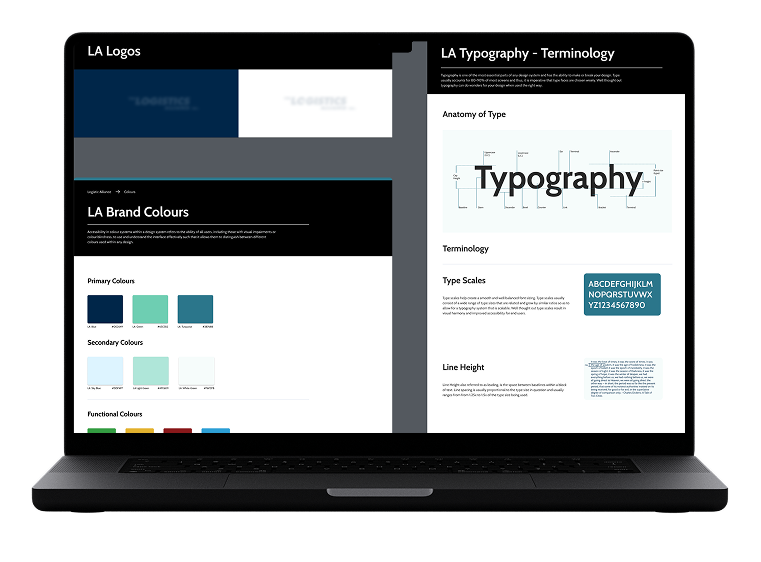
Building a Design System Alongside Active Product Delivery for Logistics Alliance
Building a Design System Alongside Active Product Delivery for Logistics Alliance
A design-system foundation for a 17-role logistics platform, built by adapting proven patterns and extending them where domain-specific workflows required it.
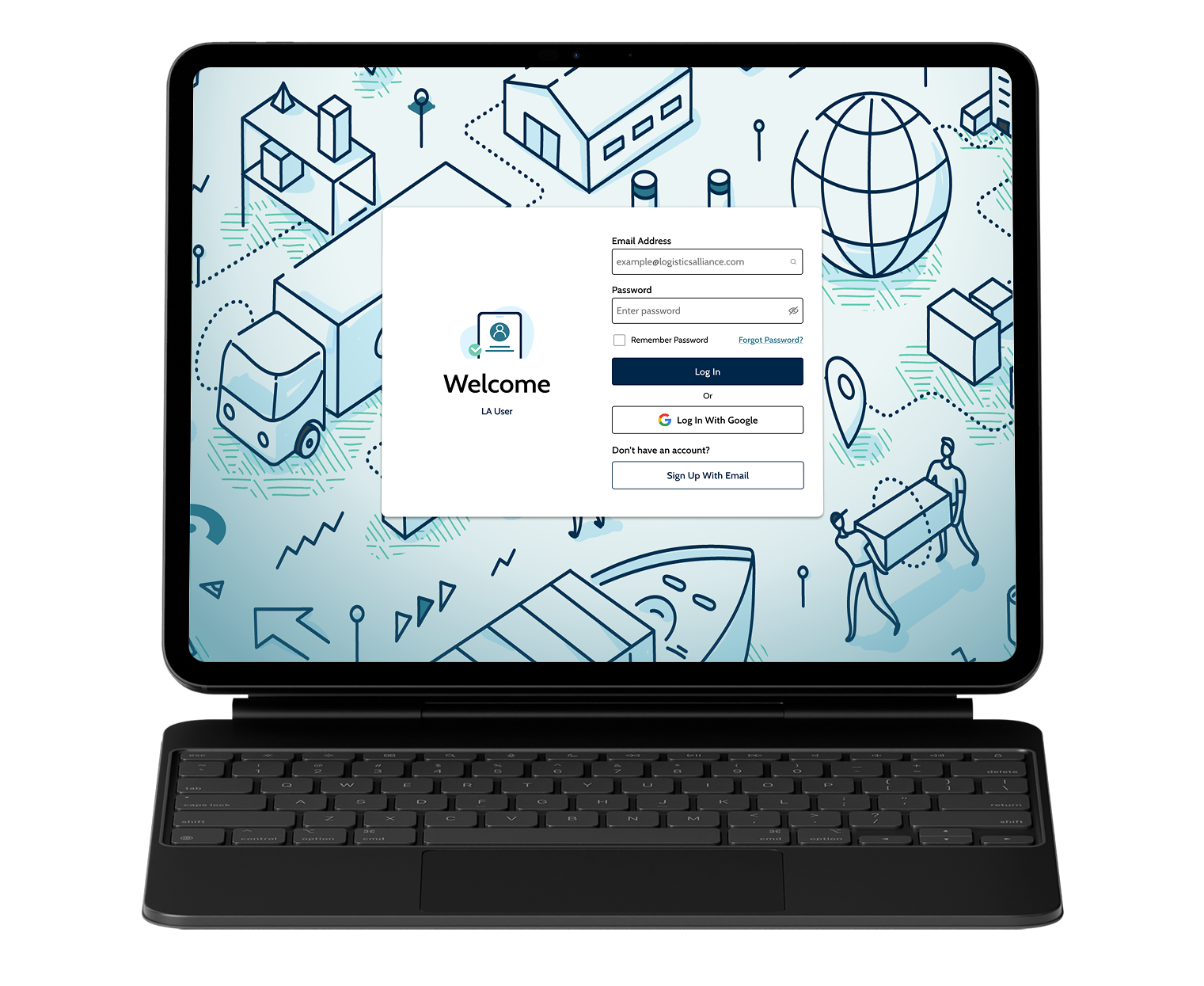
Designing One Shipment Platform for 17 Roles for Logistics Alliance
Designing One Shipment Platform for 17 Roles for Logistics Alliance
A transportation-management platform for three organizational levels and 17 user roles, designed as one coherent system rather than a collection of role-specific screens.
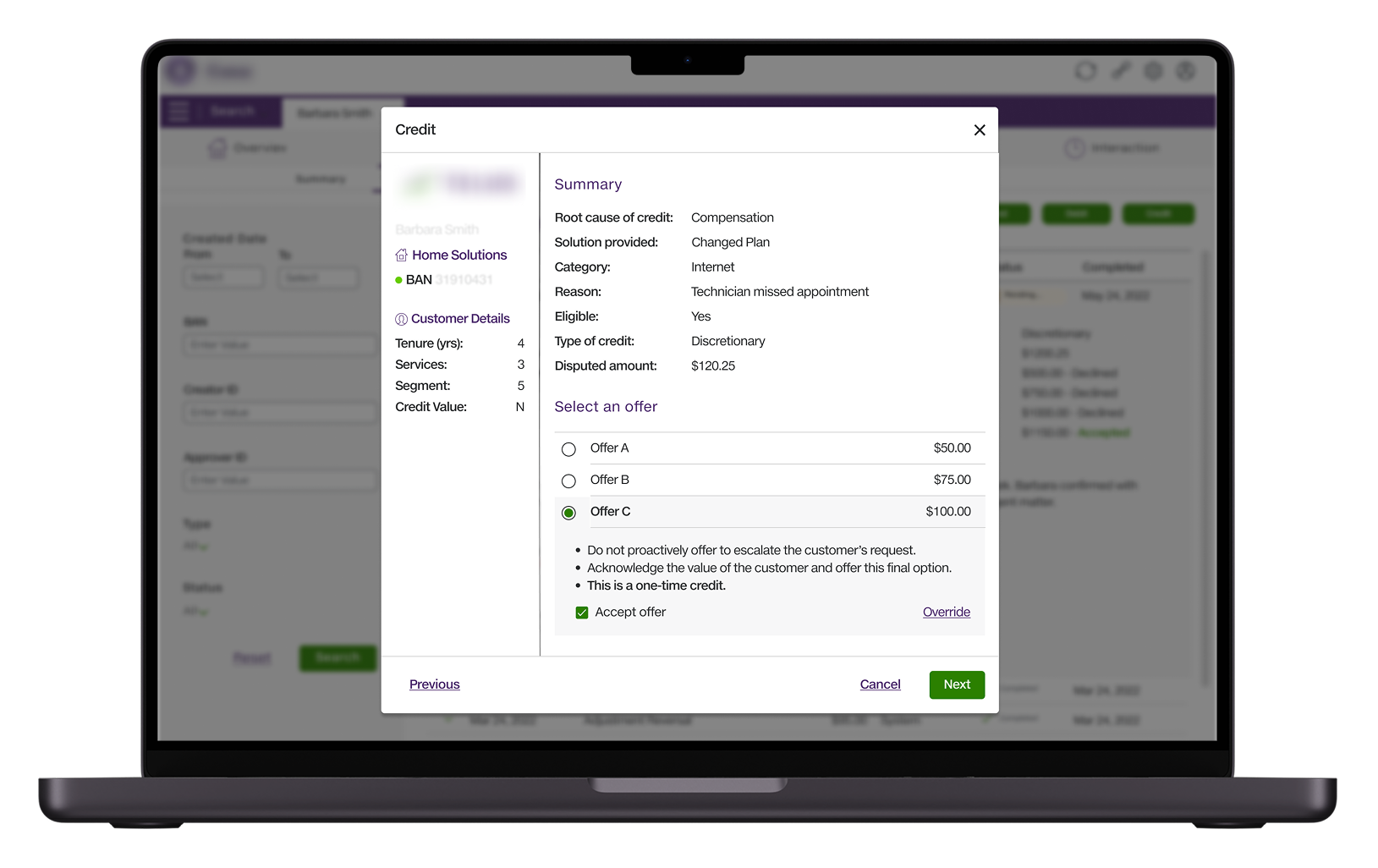
Structuring Better Credit Decisions for Customer Support for TELUS
Structuring Better Credit Decisions for Customer Support for TELUS
A guided credit-calculation experience that made policy checkpoints, tax treatment, and intermediate choices clearer during live support work.
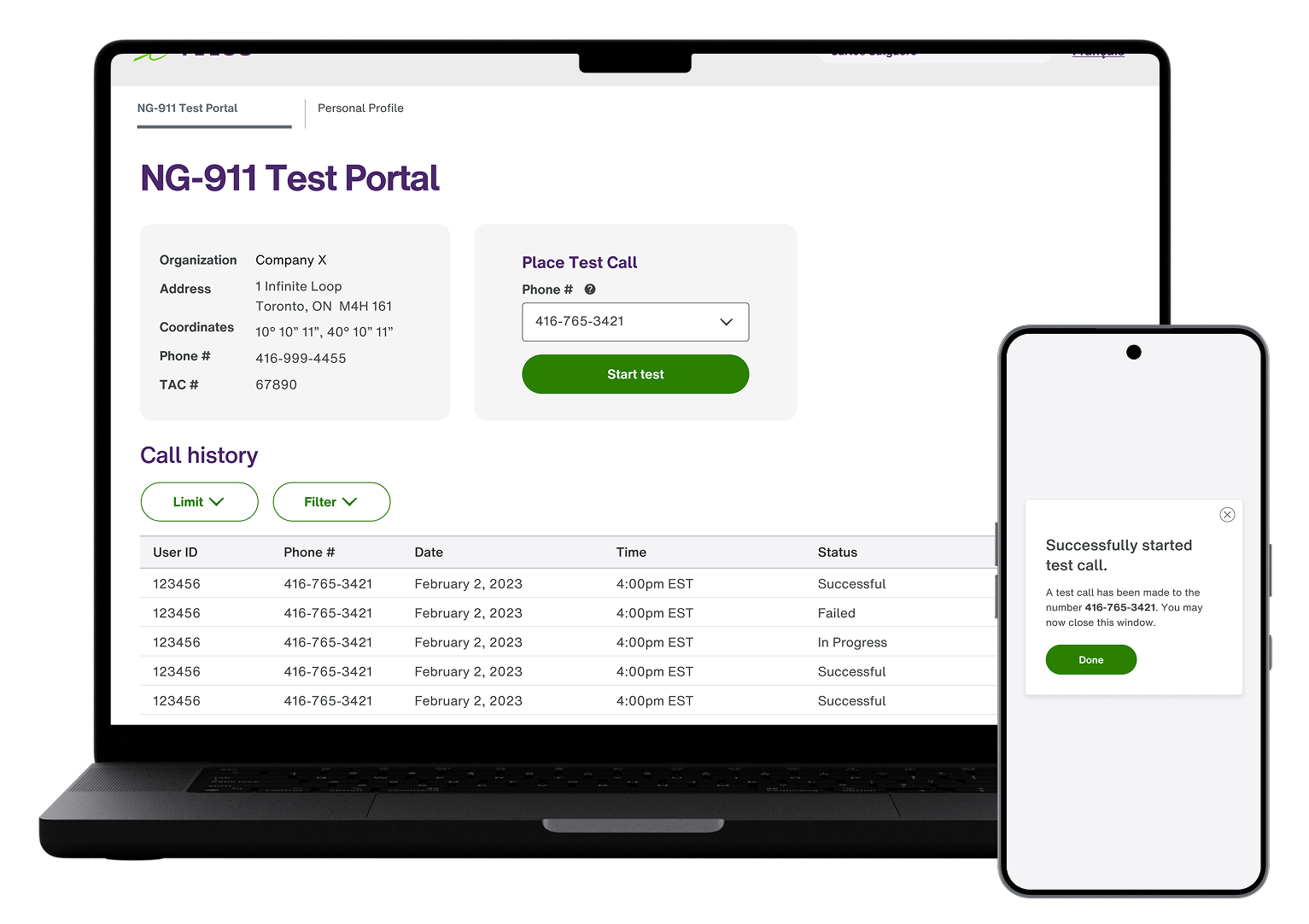
Taking an NG911 Testing Portal from Zero to One for TELUS
Taking an NG911 Testing Portal from Zero to One for TELUS
A role-based testing portal that made specialized emergency-services validation clearer across testing, administration, and cross-company oversight.
Adding interaction deliberately
Subtle animations and interaction extended the brand without overwhelming the content.
The Lorandus swoosh and other visual elements could become part of the experience rather than remaining static brand decoration.

From Webflow into WordPress
I initially built the experience in Webflow, where responsive behaviour and interaction could be developed and refined visually.
Udesly then supported the transition into a WordPress and PHP implementation so the final site could work within the client's preferred content-management environment.
This reflects how I approach design-to-development workflows: the strongest tool is the one that helps resolve the experience while still fitting the system the client needs to operate.

Maintainability matters
The site was designed so Lorandus and its partners could manage content after launch instead of relying on a designer for routine updates.

Outcome
Lorandus replaced a static design concept with a maintainable responsive website.
The project is useful evidence of practical design-to-development translation: preserving creative intent while solving the responsive, technical, and CMS decisions required to make that intent work in production.

